
Your satisfaction is our priority. If you cannot find the information you are looking for, feel free to contact us. We are here to help! Just send us an email, and we will respond as quickly as possible.
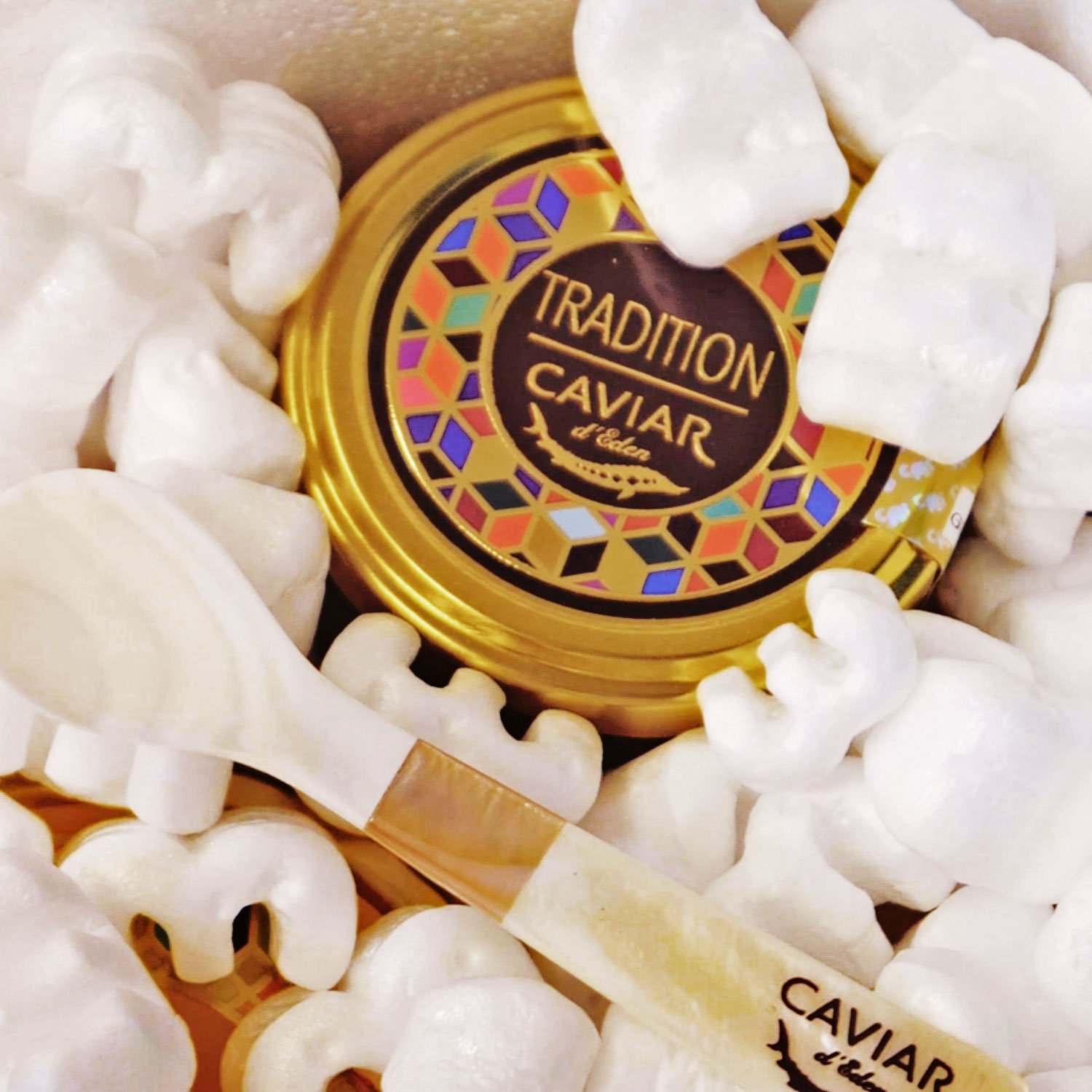
How is
caviar delivered?
We understand that people often have questions about caviar, so we have created an FAQ section where you can find answers to the most frequently asked questions.
If you still cannot find the information you need, feel free to contact us by email. We are here to help!

Should caviar be stored in the
refrigerator or the freezer?
Proper storage of caviar is essential for its long-term preservation. The ideal temperature for storing caviar or any fresh seafood is below 0°C but not lower than -5°C. However, in most household refrigerators, the temperature ranges from +2°C at the back to +8°C at the door, which is not sufficient for long-term storage. Therefore, it is recommended to keep caviar in the coldest part of the refrigerator and consume it within one month.
Freezing is not recommended, as it can damage the texture, and doing it properly requires special equipment and precise control at all stages of freezing and thawing.
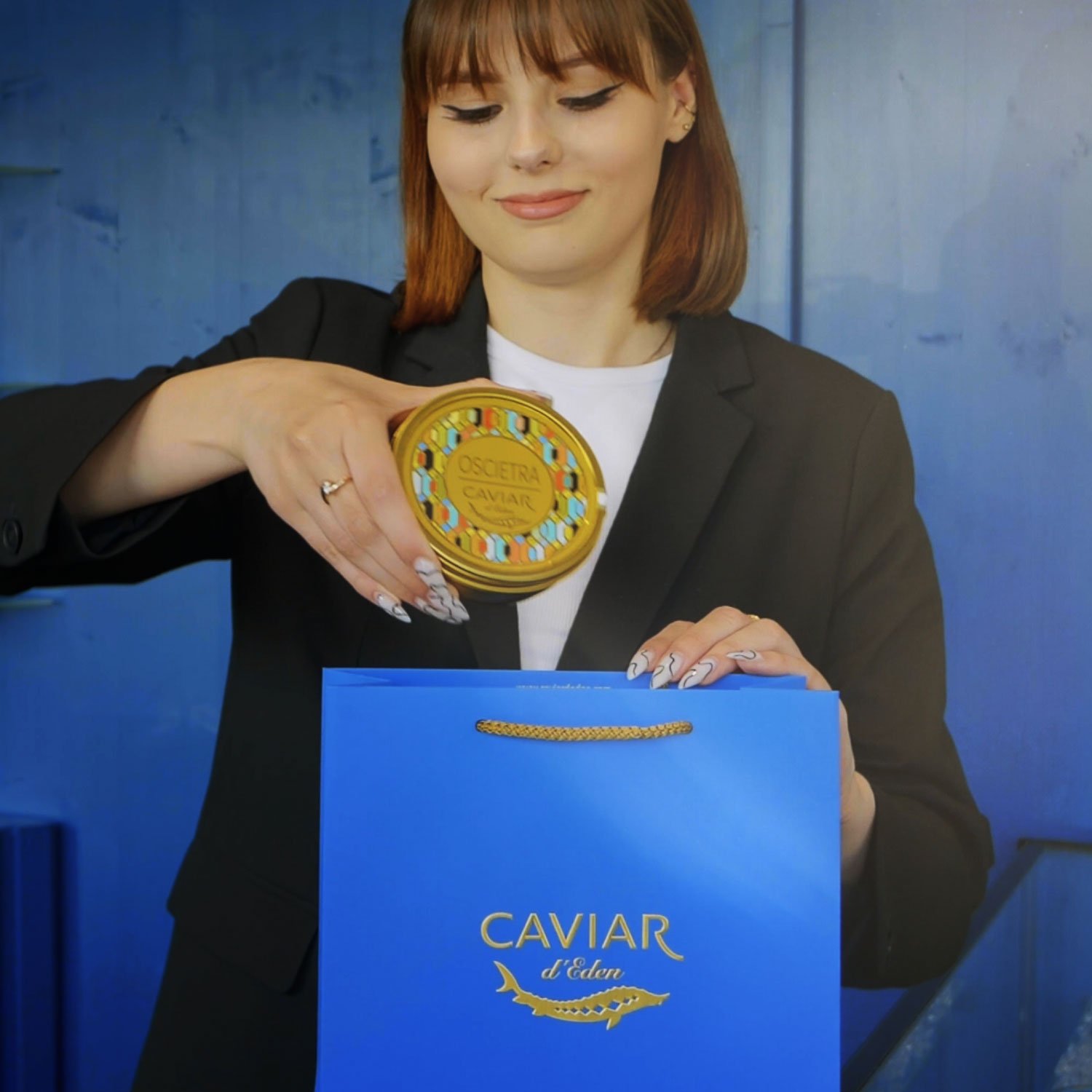

Can I take
caviar with me on a plane?
There are no specific restrictions on transporting caviar on a plane; however, according to international security regulations, containers exceeding 100 ml or 100 g are not allowed in hand luggage for safety reasons. Metal tins may be permitted depending on local airport rules—for example, at Riga Airport, caviar packed in metal tins is allowed in hand luggage. If you are carrying a larger package, it is safer and more convenient to place it in checked baggage.
To ensure freshness during transport, we always include gel ice packs for longer journeys, and these can also be safely carried in hand luggage.
How much caviar
can I take outside the EU?
Black caviar is a product protected under CITES, and its import and export are strictly regulated at the government level. Most countries follow CITES rules, allowing up to 125 g per person to be transported without special documentation, while some countries allow up to 250 g per person. To avoid potential issues, it is recommended to contact the local authorities in advance to determine the maximum permitted amount of caviar that a passenger is allowed to transport at one time.

Consumer awareness is our priority
Black caviar is a niche product, and most consumers have limited knowledge about it, which creates challenges related to quality and authenticity.
After 1998, when sturgeon were recognized as an endangered species, the main issue was poaching and low-quality production. Although poaching was successfully reduced, a new challenge emerged in the market - counterfeiting, which is currently the most serious problem in the black caviar industry. The only way to address this issue is through consumer education, promoting knowledge and experience regarding caviar authenticity.
False claims about species
This is especially common with beluga caviar, as its high price and lack of consumer knowledge make it a frequent target for counterfeiting.
False expiration dates
Dishonest sellers may artificially extend the shelf life to reduce losses and increase profit.
False country of origin
Today, caviar production is no longer concentrated only in traditional countries. For example, China has become a major producer, replacing Iran and Russia as leading sources.
How to protect yourself
from counterfeits?
To avoid counterfeits, always check the product packaging.
Black caviar is a CITES-regulated product, and all producers must comply with the rules of this international organization. Each jar or tin is labeled with a CITES number, which should be checked to ensure the authenticity of the product.
BAE/C/LV/2018/LVOOO5/0808
Species name / Wild or farmed / Country of production / Year of production / Company registration number / Batch number

Sharing our story
on Instagram